Bed Bug Exterminator: Trusted Experts for Hotels with Safe Treatments
Everything You Need to Know About Bed Bugs: Understanding Heat Treatment for Effective Removal
Bed bugs are well known for their capacity to infiltrate homes and disturb daily life. Recognizing their habits and the indicators of an infestation is essential for homeowners. Of the many elimination methods available, heat treatment emerges as an effective, chemical-free option. It successfully addresses every life stage of these insects. Adequate preparation is fundamental to its results, yet numerous individuals skip critical steps before the process. Investigating these elements can provide greater insight into how to tackle this stubborn concern.
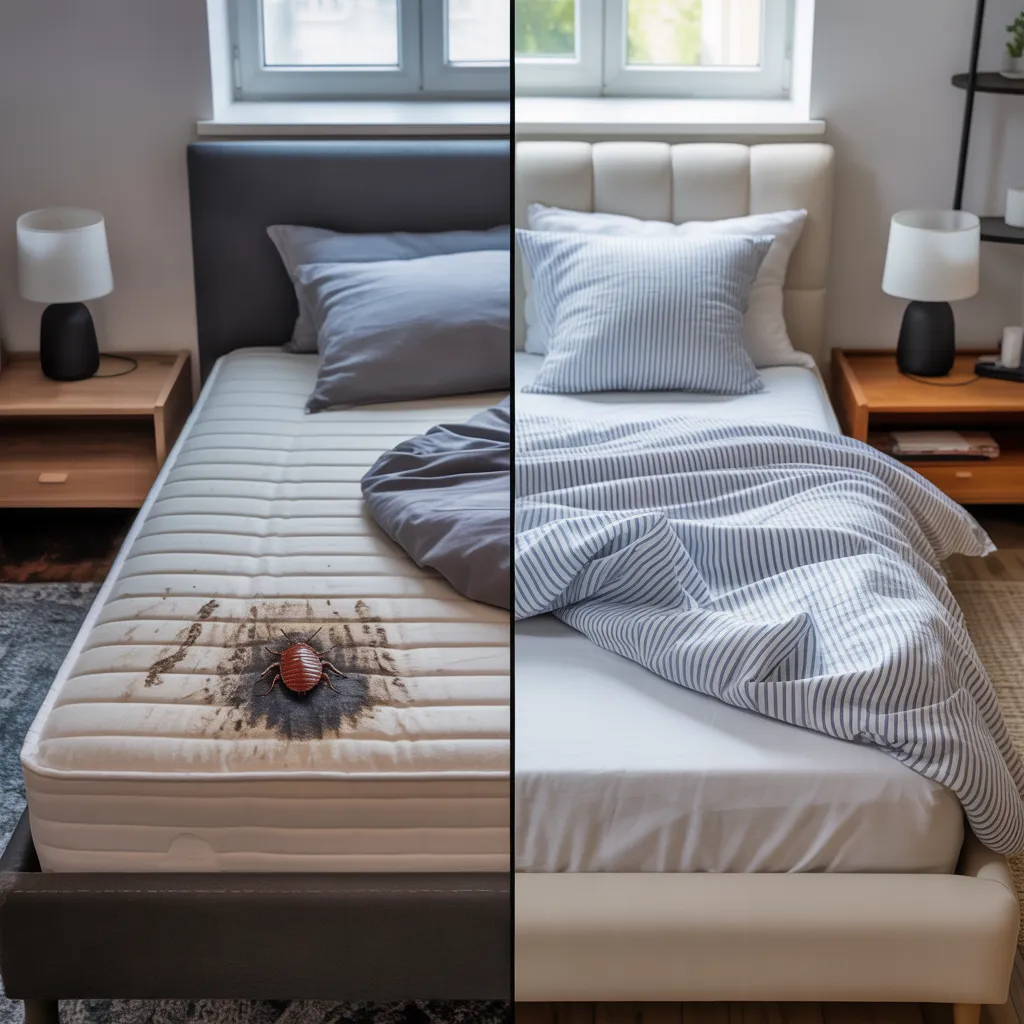
What Are Bed Bugs and How Do They Spread Into Your Home?
Bed bug infestations, small parasitic insects belonging to the Cimex family, are well known for their capacity to invade homes and disrupt lives. These creatures are skilled at hitching rides on furniture, clothing, and baggage, rendering them widespread nuisances throughout metropolitan areas. Upon entering a home, bed bugs tend to hide within narrow openings and hidden spaces, most commonly around mattresses and fabric-covered furniture, allowing them to stay concealed throughout daylight hours.
Their breeding capacity significantly amplifies their infestation potential; females have the ability to deposit hundreds of eggs over their lifetime, leading to rapid population growth. Bed bugs flourish in warm, dimly lit spaces, permitting them to keep proximity to their principal food source—human blood. Their stealthy behavior and resilience make early detection challenging, often resulting in widespread infestations before homeowners realize the problem. Comprehending their behaviors is critical for developing successful prevention and treatment approaches.
How to Identify a Bed Bug Infestation: Key Signs to Notice
Identifying a bed bug infestation early is vital for effective management. Homeowners should watch carefully for particular indicators of their presence. Frequent indicators consist of dark, reddish-brown stains on bedding or furniture, which are excrement left by the insects. Furthermore, discarded exoskeletons, frequently discovered near their hiding areas, indicate that bed bugs are growing.
Skin bites, typically in clusters or lines, can appear as bed bugs feed during the night. These bites can cause itching or irritation, encouraging a more thorough examination. A distinctive musty scent can also come from areas with infestations, stemming from the secretions of bed bugs.
Checking seams of mattresses, behind headboards, and in the crevices of furniture is essential, as these locations are preferred hiding areas. Prompt identification ensures timely intervention, avoiding a widespread infestation that could lead to significant remediation work.
How Heat Treatment Works to Eliminate Bed Bugs
Successful treatment of a bed bug infestation necessitates familiarity with the methods available for eradication. Heat treatment is a widely recognized approach, applying high temperatures to destroy these pests. The process involves raising the temperature of contaminated zones to between 120°F and 140°F, successfully infiltrating walls, furniture, and other sheltered locations where bed bugs reside.
Bed bugs are highly susceptible to heat; temperatures exceeding 113°F sustained for only 90 minutes are lethal at every life stage. This technique additionally addresses eggs, which are widely recognized for being difficult to eliminate. During heat treatment, specialized equipment is used to guarantee even heat distribution, preventing cold spots where bed bugs might survive.
Moreover, heat treatment is devoid of chemicals, making it an environmentally conscious choice for pest control. By impeding the bed bugs' physiological processes, heat treatment not only destroys existing infestations but also helps in preventing recurring infestations.
Why Heat Treatment Is the Most Effective Bed Bug Solution
Heat treatment is recognized as the top choice for bed bug elimination due to its ability to reach and eliminate pests in all life stages, including eggs. In contrast to chemical treatments, which can fail to eliminate all bugs, heat permeates furniture, cracks, and crevices, providing comprehensive coverage. The process involves raising the temperature of the infested area to a lethal level, usually maintained between 120°F and 140°F, successfully destroying bed bugs on contact. This approach removes the necessity for multiple treatments, reducing the chances of resistance development. Additionally, heat treatment is environmentally friendly, because it limits exposure to harmful chemicals. Its rapid results present an added advantage; the majority of treatments are essential resource finished within one day, permitting a speedy restoration of routine. In summary, heat treatment's comprehensiveness, effectiveness, and safety position it as a top choice for property owners looking for dependable bed bug control.
How to Prepare for Bed Bug Heat Treatment
Getting ready for bed bug heat treatment demands meticulous planning to guarantee the process is successful. Residents should begin by clearing out the impacted spaces, eliminating objects that could block heat penetration. All clothing, bedding, and personal belongings should be cleaned in hot water and dried at high temperatures to eliminate any lingering bugs. It is important to perform a thorough vacuuming, paying close attention to small openings and corners where bed bugs could be concealed.
In addition, pets need to be taken out during the treatment process, and plants ought to be relocated outdoors to avoid harm caused by the elevated temperatures. Electronics, including televisions and computers, should be relocated or shielded to protect them from heat exposure. To conclude, homeowners should ascertain that the treatment area is accessible, permitting technicians to operate without hindrance. Proper preparation not only enhances the effectiveness of the heat treatment but also minimizes the risk of re-infestation.
Questions We Often Receive
Can Bed Bugs Survive Extreme Cold Temperatures?
Bed bugs cannot endure severely cold temperatures. Exposure to temperatures below 0°F (-18°C) for several days effectively kills all life stages, including eggs, which ensures the total removal of these pests from infested locations.
How Long Does Heat Treatment Usually Take?
Heat treatment typically takes about six to eight hours to thoroughly eliminate bed bugs. The duration may vary depending on the extent of the infestation and the particular techniques used by professionals throughout the treatment.
Are There Health Risks Linked to Heat Treatment?
There are minimal health risks associated with heat treatment for bed bugs. Safety is guaranteed when the process is carried out properly, but those with breathing problems or sensitivities might encounter brief discomfort. Working with qualified professionals can reduce possible risks and concerns.
Is My Furniture or Belongings at Risk of Damage from Heat Treatment?
Thermal treatment has the potential to damage specific furniture items and possessions, especially belongings that are susceptible to high heat. You should take out or safeguard sensitive items before the treatment begins to reduce the risk of heat damage.
How Regularly Should I Examine for Bed Bugs After Treatment?
After treatment, checks for bed bugs should be conducted on a monthly basis for a minimum of six months. Routine inspections assist in identifying any signs of resurgence at an early stage, allowing for effective management and sustaining a pest-free environment for residents.